
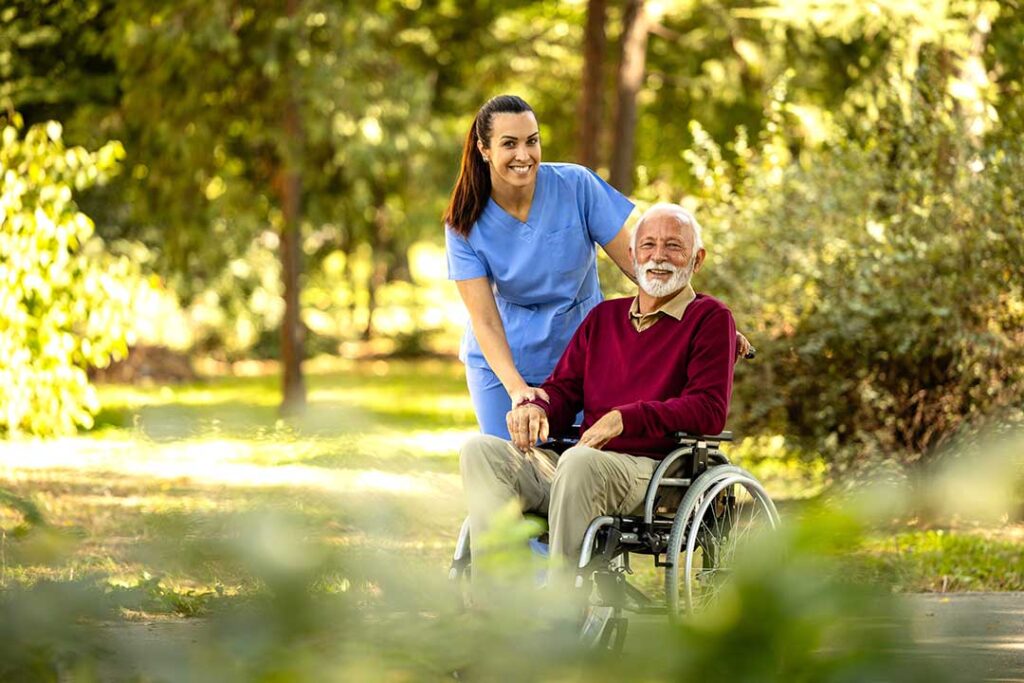
Why Does Visiting Etiquette Matter in Assisted Living Settings?
Visiting etiquette is essential for maintaining a respectful, comfortable, and safe environment for everyone living in assisted living communities. Thoughtful practices help preserve the dignity of residents, prevent disruptions to daily routines, and foster positive relationships between visitors, residents, and staff. For loved ones in Easton, PA, observing good visiting habits supports both individual well-being and the overall atmosphere of the community.
What Are Common Expectations for Visiting Hours?
Most assisted living communities set specific visiting hours to ensure residents have structured times for rest, meals, and activities. In Easton, facilities typically allow family and friends to visit during late morning through early evening, though some may offer more flexible policies for close relatives. Checking posted hours in advance is always best.
Residents and visitors sometimes assume these guidelines are strict rules, but staff often appreciate reasonable advance notice if an out-of-hours visit is needed for special circumstances. Whispered arrivals late in the evening or unscheduled drop-ins very early in the morning, however, can be unsettling not just for your loved one but for others in shared spaces.
How Should You Prepare Before Your Visit?
Preparation makes visits smoother for residents and visiting guests alike. Before heading to an assisted living community in the city, consider these tips:
- Call or check in ahead, especially if your visit will coincide with a meal, medical appointment, or scheduled group activity.
- Make sure your loved one is expecting you, particularly if changes in memory or routine can cause anxiety.
- Avoid visiting if you’re experiencing cold, flu, or COVID-like symptoms, to protect resident health.
- Understand any special policies regarding masking, hand hygiene, or allowable items (especially during local upticks in illness).
Bringing personal items to share, such as photos, a favorite snack (if dietary needs allow), or a familiar keepsake, can make the visit more meaningful within local guidelines.
What Courtesies Should Visitors Observe Inside the Community?
A respectful approach helps everyone feel welcome and secure. On-site, several simple guidelines make a difference:
- Knock or announce yourself before entering a resident’s private room—these spaces are home for those who live there.
- Limit large group visits, especially in smaller rooms or common areas; local communities favor fostering a calm setting.
- Avoid interrupting scheduled activities, therapy sessions, or meal times unless previously arranged.
- Keep noise levels low—sound carries easily in shared halls and lounges.
- Respect personal boundaries and consent before hugging or touching, particularly for residents with cognitive changes.
If bringing children, help them understand appropriate behavior and supervise closely. Pets should only visit with prior approval and adherence to all requirements (vaccinations, leash, and cleanliness).
How Can You Support Residents’ Comfort and Well-Being During Your Visit?
Helping a loved one feel comfortable sometimes means adjusting to their energy level, communication preference, or medical needs. In Easton’s assisted living settings, visitors often find these practices helpful:
- Stay attuned to signs of fatigue or overstimulation; keep visits brief if your loved one tires easily.
- Bring light, positive conversation and be ready to reminisce or talk about familiar Easton sights and family traditions.
- Speak clearly and face the resident, especially if hearing loss or memory changes are present.
- Offer help only if invited—giving residents the dignity of doing things independently is important.
- Use common areas when available, especially during nice weather, as local communities in the Lehigh Valley region encourage time outdoors.
Practicing patience is especially meaningful when residents express themselves more slowly or forget recent events.
What Should Be Avoided During Visits?
A few actions, often unintentional, may cause discomfort for residents or disrupt the peace of the community. These are best avoided:
- Unplanned "surprises" or large impromptu gatherings, which may overwhelm or isolate residents from their normal routine.
- Bringing outside food without confirming dietary restrictions with staff.
- Rearranging personal items or furniture in a resident’s room without their express consent.
- Gossiping about other residents or staff members; privacy is paramount in communal living.
- Overstaying—lingering after your loved one shows signs of fatigue or after visiting hours challenges both resident comfort and staff routines.
In Easton, it’s also helpful to avoid comparing assisted living communities, staff, or amenities during visits. Residents benefit more from conversations focused on their interests and connections.
How Does Local Climate Impact Visiting Etiquette?
Seasonal changes in Easton shape visiting practices. During colder winters or hot summer days, outdoor access for residents may be more limited. Visitors can:
- Dress in layers to stay comfortable for outdoor strolls or window visits.
- In snowy weather, allow extra time for safe parking and walking on pathways.
- Call ahead during storms or extreme temperatures, as visits may occasionally need to be rescheduled for everyone’s safety.
In milder seasons, using courtyards, gardens, or patios provides a pleasant change of scenery and is encouraged whenever possible.
What If a Resident Is in Quarantine or Isolation?
Occasionally, residents may need to limit visitors due to illness or outbreak management. In these cases:
- Adhere strictly to posted notices and staff guidance regarding visitation restrictions.
- Take advantage of phone calls, video chats, or window visits to stay connected.
- Respect privacy—staff cannot share details but will inform you when in-person visits resume.
Local families find that patience and flexibility during these times help protect loved ones and ensure safe community living.
Are There Special Considerations for Residents with Memory Loss?
If your loved one is living with dementia or another memory-related condition, some extra sensitivity during visits helps:
- Introduce yourself with a gentle greeting and repeat your name or relationship if needed.
- Use familiar objects, photos, or music to spark positive memories from time spent in Easton and the Lehigh Valley area.
- Accept changing abilities—some days a resident may be more communicative than others.
Above all, meet residents where they are emotionally each day rather than correcting misstatements or pressing for memories.
