

Adjusting to assisted living can be an emotional and logistical challenge for seniors and their families. In Easton, Pennsylvania, a city rich in history, community spirit, and scenic beauty, the journey toward comfortable living in a new community can be rewarding with the right support. Whether your loved one is moving from their longtime home in College Hill or downsizing after years in a suburban Palmer Township residence, understanding the best ways to ease this transition is crucial. Here’s how families in Easton can help seniors feel at home in assisted living.
Understanding the Emotional Impact of Transition
Moving to assisted living is more than just a physical relocation—it often represents a major life change. Seniors might be leaving behind a family home, longtime neighbors, or a familiar routine, leading to feelings of loss, anxiety, or uncertainty. Recognizing and validating these feelings is the first step to supporting your loved one.
- Open honest conversations: Allow your loved one to share their worries and hopes about assisted living.
- Visit favorite local spots: Before the move, revisit favorite places like Easton Farmers' Market or walks along the Delaware River for a sense of closure and continuity.
- Involve them in decisions: Encouraging input on what to bring, room arrangement, and decoration can provide a sense of control over the change.
How Easton's Community Lifestyle Aids Adjustment
Easton’s vibrant community can be an asset when helping seniors adjust. The city offers access to parks, arts, and cultural activities that foster connection and enrichment.
- Stay engaged: Encourage participation in on-site activities and also explore outings to local treasures like the State Theatre or Lafayette College art exhibits.
- Maintain routines: Whether it’s enjoying a cup of coffee from a local café or continuing religious services at a favorite church, keeping up with routines can bring comfort.
- Strengthen community ties: Assisted living homes in Easton often organize group trips to local events, which is a great way for residents to make friends and maintain an active lifestyle.
Personalizing Their New Space
A new living arrangement can feel impersonal at first. Bringing familiar items from home can help create a comforting environment.
- Decorate with personal mementos: Display treasured photographs, Easton memorabilia, or favorite books.
- Add local touches: Decorate rooms with art or crafts from Easton’s galleries or even fresh flowers from regional floral shops.
- Honor hobbies: If your loved one enjoyed gardening, consider a small indoor plant by the window—Easton’s climate is perfect for vibrant seasonal flowers.
Building New Routines and Connections
A structured routine can bring reassurance. Assisted living communities in Easton offer a range of social opportunities and amenities that promote new connections and healthy habits.
- Participate in community events: Many facilities have robust activity calendars, including fitness classes, art workshops, and games.
- Encourage friendships: Joining group activities like card games or storytelling hours can help foster new relationships.
- Explore Easton together: Family visits to events such as Easton Heritage Day or local food festivals offer fun ways to maintain local traditions and social bonds.
Staying Connected with Family and Friends
Feeling connected to loved ones is a key factor in a positive adjustment to assisted living.
- Set regular visits: Plan standing dates for family meals or outings, perhaps to local favorites like Crayola Experience or Scott Park.
- Embrace technology: Use video calls, photo sharing, or even virtual tours of Easton events to stay present in each other’s lives.
- Send thoughtful reminders: Cards, care packages with personal favorites, or a subscription to local newspapers like The Express-Times help bridge the distance.
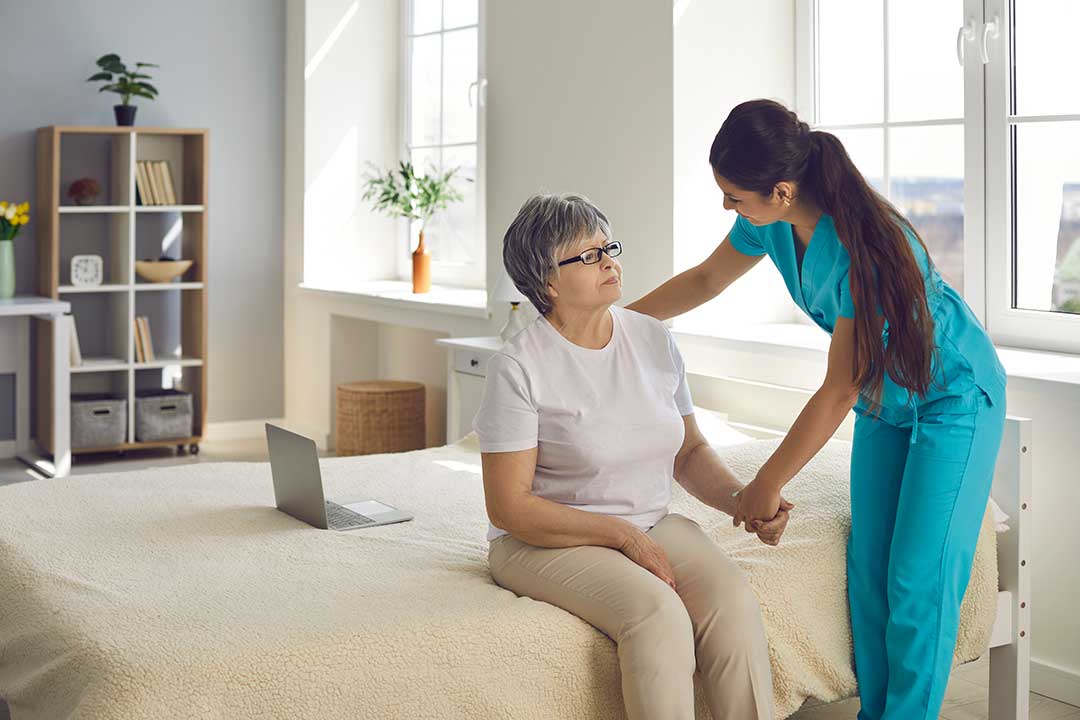
Advocating for Individual Needs
Transitioning to assisted living doesn't mean giving up individuality. Being proactive about communication and care ensures your loved one feels supported.
- Meet with care teams: Collaborate with staff to discuss preferences and medical needs unique to your loved one.
- Encourage self-advocacy: Empower your loved one to ask for what they need, whether that’s requests about meal preferences or adjusting activity schedules.
- Monitor wellbeing: Check in regularly to catch signs of loneliness or anxiety and address them promptly with the help of Easton’s healthcare resources.
Embracing Easton’s Spirit
Easton’s strong sense of community and local pride offers many opportunities to help seniors feel they are still an integral part of the town.
- Support local involvement: Whether it’s volunteering at community organizations or attending city festivals, staying active in Easton’s civic life can add meaning and purpose.
- Experience local culture: Art, music, and heritage events are plentiful and accessible—find ways for your loved one to continue enjoying them as part of their new lifestyle.
- Share Easton history: Encourage sharing stories about the city with neighbors and staff, which can spark connections among fellow residents.
Conclusion
The move to assisted living is a big step, but with patience, empathy, and thoughtful planning, seniors can thrive in their new homes. By tapping into Easton, Pennsylvania’s supportive community, cultural richness, and beautiful surroundings, families can help their loved ones adjust more smoothly. Remember, successful transitions are built through open communication, cherished routines, and ongoing connection to both new friends and the broader Easton community.
