
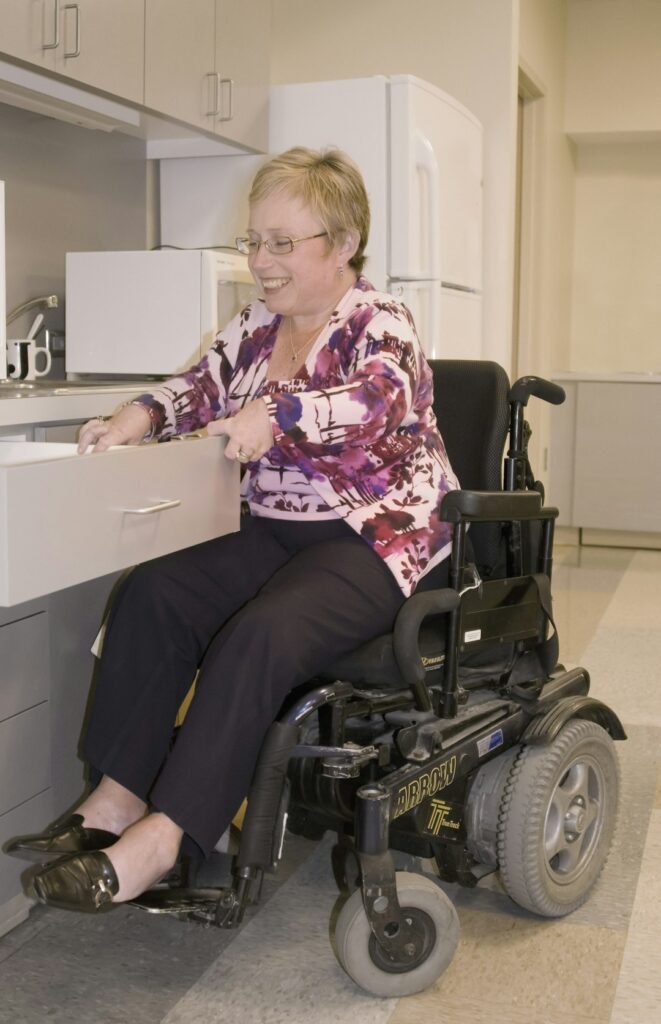
Transportation is a practical part of assisted living because residents may need safe, dependable ways to reach medical appointments, grocery stores, pharmacies, worship services, family gatherings, and community activities. Transportation arrangements can differ widely, so residents and families should understand what is included, what requires advance planning, and how mobility needs affect each trip.
What transportation services are commonly available?
Most assisted living communities offer some form of scheduled transportation, but the details vary. Transportation may be provided in a community-owned vehicle, through a contracted service, or by staff members who are permitted to drive residents.
Common destinations include:
- Medical and dental appointments
- Pharmacies and essential shopping
- Banking or other personal errands
- Religious services
- Social, cultural, or recreational activities
- Family events and visits
- Government offices or other necessary appointments
Transportation is often scheduled on specific days rather than provided on demand. A community may group several residents into one outing, which can make trips more efficient but may limit flexibility.
Residents should ask whether transportation is available for routine errands, not only medical visits. It is also useful to learn how far the service typically travels and whether transportation is limited to nearby destinations.
Does assisted living transportation include medical appointments?
Routine medical transportation is often available, but residents should not assume that every type of appointment is covered. A scheduled vehicle may be appropriate for an office visit, routine checkup, or therapy appointment. It may not be equipped for emergency care, stretcher transport, or complex medical supervision.
A resident may need another arrangement if the trip involves:
- A wheelchair that cannot be folded or safely secured
- Continuous oxygen equipment
- A stretcher or specialized medical equipment
- Significant behavioral or medical supervision
- Transfer assistance beyond what the driver is trained to provide
- An appointment scheduled outside the normal service area
Transportation staff may be able to help with entering or leaving the vehicle, but that does not always mean they can provide hands-on medical care. The resident’s care plan, mobility level, and equipment should be reviewed before an appointment is scheduled.
Emergency transportation is a separate matter. Sudden chest pain, serious injury, breathing difficulty, signs of a stroke, or other urgent symptoms require emergency medical services rather than a routine assisted living vehicle.
How far in advance should a ride be scheduled?
Advance notice is usually necessary. Some communities require several days of notice for routine trips, while recurring medical appointments may be placed on a regular transportation calendar.
Planning early helps address practical questions such as:
- Whether another resident is already scheduled
- How long the vehicle will wait
- Whether a family member or escort may ride along
- Whether the vehicle can accommodate a walker or wheelchair
- Whether the return trip must be scheduled separately
- Whether appointment delays could affect the ride home
Residents should allow extra time for loading, unloading, parking, and walking into a building. In a busy medical office, the appointment may finish later than expected, so the return plan should be clear before leaving.
For recurring appointments, a written schedule can reduce missed rides. Families may also wish to keep a shared record of appointment times, transportation arrangements, and escort responsibilities.
Can residents who use wheelchairs or walkers use community transportation?
Often, yes—but accessibility must be confirmed in advance. A vehicle may have a lift or ramp, yet still have limitations involving vehicle height, doorway width, weight capacity, or the number of mobility devices it can carry.
Residents and families should ask:
- Can the resident remain seated in the wheelchair during travel?
- Must a power wheelchair be folded or transferred?
- Are mobility devices secured with appropriate restraints?
- Is there space for a walker, cane, or portable oxygen?
- Can the driver assist with the ramp or lift?
- Is the vehicle accessible in icy or uneven outdoor conditions?
A walker may be manageable for one vehicle but difficult in a smaller car. A resident who can walk short distances indoors may still need wheelchair transportation for a long appointment or a large medical complex.

In winter, wet pavement, snow, ice, and cold temperatures can make loading and unloading more difficult. Transportation plans should consider covered entrances, safe walking surfaces, appropriate footwear, and extra time.
Are transportation services included in assisted living costs?
There is no single rule. Some transportation is included as part of the regular monthly services, while other trips may involve a separate charge. Fees may depend on distance, frequency, destination, vehicle type, or whether a staff escort is required.
Residents should review the written agreement and ask for specific examples rather than relying on general statements. Important questions include:
- Which destinations are included?
- Is transportation limited to certain days or time periods?
- Are personal errands treated differently from medical appointments?
- Is there a charge for a family escort?
- Are missed rides or late returns subject to a fee?
- Does the transportation policy change for wheelchair users?
- Are after-hours, weekend, or holiday trips available?
A clear understanding of transportation costs can help families plan monthly expenses and avoid unexpected charges.
What should families arrange outside the community?
Family transportation may be useful when a trip requires flexibility, privacy, or additional support. Examples include a lengthy appointment, a hospital discharge, a family celebration, or an outing that does not fit the community’s regular schedule.
However, family members should understand the resident’s mobility and care needs before driving. A person who needs help transferring from a wheelchair into a vehicle may require more assistance than a family car can safely provide. The same applies to residents who become confused, fatigued, or unsteady during travel.
If a resident needs specialized medical transportation, the arrangement should match the person’s condition and equipment. Safety and legal requirements may determine whether a standard passenger vehicle is suitable.
What questions should be asked before moving into assisted living?
Transportation policies are worth reviewing before a resident moves in, especially if the person no longer drives. The following questions can reveal how practical the service will be:
- How often are transportation trips offered?
- How are rides requested and confirmed?
- How much notice is required?
- What happens if an appointment runs late?
- Are vehicles wheelchair accessible?
- May a family member accompany the resident?
- Are transportation services available during severe weather?
- What destinations are outside the normal service area?
- Are transportation fees listed in writing?
- Who helps the resident reach the vehicle?
Transportation is not only about having a vehicle available. It also involves scheduling, accessibility, supervision, weather conditions, and the resident’s ability to manage the trip from the apartment or room to the final destination.
For residents in Easton, seasonal weather and changing daylight can make advance planning especially useful. A ride that is comfortable in mild weather may require different timing or assistance during winter conditions. Reliable transportation supports medical care and independence, but the safest arrangement is one that matches the resident’s actual abilities and needs.
