
What Types of Health Services Are Usually Provided in Assisted Living?
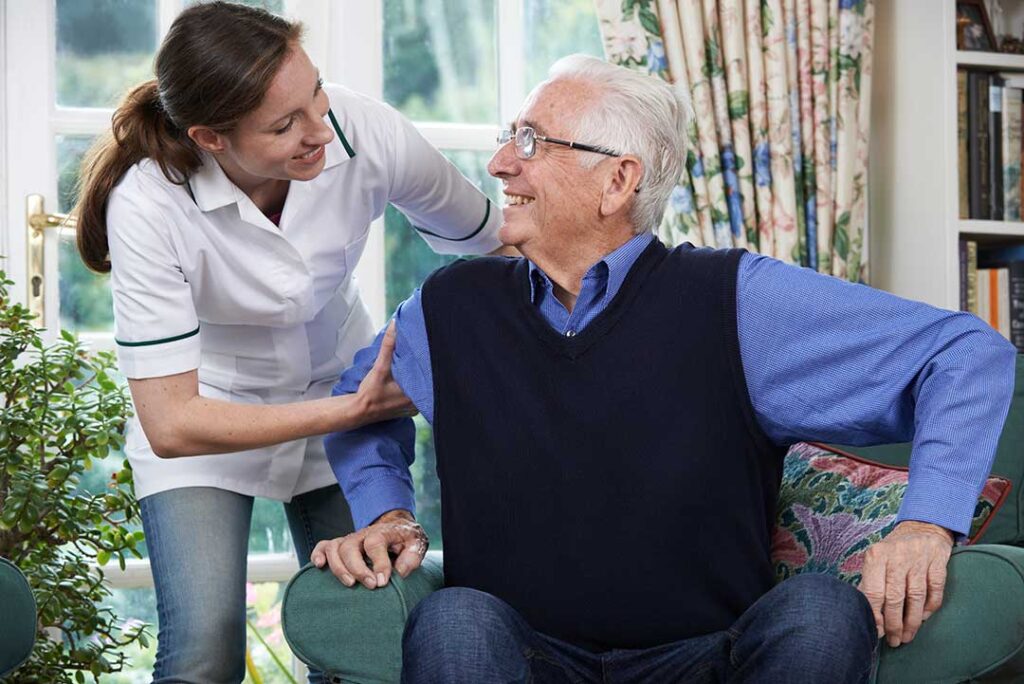
Most assisted living communities in Easton, PA offer a range of health services tailored to support daily living needs, promote safety, and maintain general wellbeing. While these services are not as intensive as those found in nursing homes, they are designed to help residents manage chronic health conditions, medication, and everyday care in a residential setting.
Residents can generally expect assistance with:
- Medication management and monitoring
- Support with activities of daily living (ADLs), like bathing, dressing, and mobility
- Coordination with outside healthcare professionals such as doctors, therapists, or specialists
Health services may be adjusted to match the individual’s changing needs, which is especially important for older adults managing multiple conditions.
How Do Medication Management and Monitoring Work?
Medication management in assisted living is meant to ensure that residents take the right medications in the right doses at the right times. Trained staff typically help by:
- Organizing pill boxes
- Keeping track of refill schedules
- Documenting each dose taken
- Watching for adverse reactions or side effects
Some families may not realize that staff are restricted by state regulations regarding the types of medication support they can give. For instance, staff can remind, assist, or directly administer prescribed medication, but cannot recommend new medications or alter dosages unless directed by a healthcare provider. Residents who self-administer should still alert staff to medication changes or new prescriptions.
Who Provides Routine Health Assessments and Monitoring?
Routine health checks help identify changes in health early. Assisted living staff generally monitor for:
- Changes in mobility or balance
- Appetite and hydration
- Signs of confusion or memory problems
- Blood pressure or blood sugar for those with chronic conditions
Staff communicate observations to families and external medical providers. Local healthcare regulations mean that clinical services such as physical exams, wound care, or diabetes management are often provided by licensed nurses visiting the community. Regular wellness checks help residents remain safely in the assisted living setting for longer.
What Happens If My Needs Change or I Develop New Health Issues?
Assisted living communities in Easton are designed for flexibility. If a resident’s needs change gradually—such as requiring more help with mobility, developing memory loss, or recovering from a hospital stay—the care plan is updated. This is coordinated through:
- Meetings between staff, residents, and family members
- Ongoing assessment forms and health tracking
- Coordination with outside professionals for physical therapy, occupational therapy, or palliative care
If a resident needs a type of care that exceeds what assisted living services are licensed to provide, such as ongoing IV therapy or complex wound care, staff will work with families to arrange supplemental care or assist in transitioning to a higher level of care.
Are Special Services Provided for Chronic Conditions Like Diabetes or Dementia?
Yes, assisted living staff are trained to support residents with many chronic conditions commonly faced in the community. However, there are some boundaries to these services. Examples include:
- Diabetes support: Checking blood sugar, ensuring timely meals, helping with insulin delivery if prescribed and trained
- Heart issues: Observing for symptoms like swelling, trouble breathing, or dizziness, and alerting medical professionals if needed
- Memory care: Additional supervision, structured routines, and communication support for those with Alzheimer’s or dementia
Not all communities provide “memory care units” or dedicated sections for residents with advanced dementia. In these cases, staff focus on gentle reminders, extra supervision, and familiar routines, but more specialized support may require a different living setting.
What Kind of Rehabilitation or Therapy Services Are Available?
Many assisted living communities coordinate with external providers for physical, occupational, or speech therapy. This might occur onsite or through outside appointments. Services are often accessed by referral from a physician and could include:
- Balance and walking training after a fall or surgery
- Support regaining abilities after illness or stroke
- Swallowing assessments
Local residents should ask about how therapy services are scheduled, whether insurance or Medicare covers the costs, and what types of therapy can be done within the residential community versus requiring a trip to a clinic.
How Are Residents Supported During Acute Illnesses?
When residents experience short-term illnesses (such as the flu or a minor infection), staff monitor symptoms, coordinate care with physicians, and provide basic support—hydration, nutrition, comfort care, and help contacting family. For illnesses requiring acute medical treatment, transfer to an urgent care clinic or hospital is arranged.
Assisted living communities are not set up to provide intensive medical care on site, but staff are trained to recognize when a resident’s health is declining and know when to seek emergency help. Families are routinely notified if hospitalization or outside medical intervention is needed.
What Are the Limits of Health Services in Assisted Living?
It’s important for area households to understand that assisted living is meant to bridge independent living and skilled nursing. Health services are substantial, but there are limits:
- Regular doctor visits, diagnostic procedures, and advanced medical treatments are arranged offsite
- Most medication changes, prescription renewals, and specialist referrals are handled by outside physicians
- Residents who develop complex health needs may need supplemental home health care or a move to a nursing home
Staff members are happy to answer questions about what services can be safely provided in each assisted living environment, and which services remain the responsibility of outside medical professionals.
